

Gabriella’s Botanical Library
Everyone Hates Musk — how to formulate without it
How to create softness, warmth and lasting scent without relying on synthetic musk — with a little help from flowers, woods, resins, and the English garden.

A note with history
Musk has always carried a little trouble with it
Musk is one of the most familiar notes in modern perfumery — soft, diffusive, and often described as a “clean skin” scent. But not everyone warms to it.
Historically, musk referred to a material derived from the musk deer, valued for its depth and remarkable ability to fix scent. Over time, this practice became restricted for ethical and conservation reasons, and natural deer musk is now largely absent from modern perfumery.
Today, “musk” usually refers to synthetic materials designed to recreate that soft, clean, long-lasting effect.
Here in England, as the gardens come into bloom, it is a good reminder that beautiful scent does not need to be complicated. Sometimes it is simply a matter of letting the plants speak for themselves.
A quieter kind of perfume
Plants and flowers have their own way of softening the world
Fragrance has a way of bringing people together. A familiar note can feel calming, comforting, even uplifting — a small shared language that does not need explaining.
Natural perfumery leans into that simplicity. Rather than building everything around a single effect, it allows flowers, woods and resins to unfold gently, each adding their own character.
Gardens have always understood this better than people. Put enough flowers in one place and even the grumpiest soul has to soften eventually.
Botanical alternatives
What to use instead of musk
In botanical blends, softness is not added as one ingredient. It is created through balance — layering warm woods, gentle resins, and soft florals until the scent settles naturally.
- Sandalwood – smooth, creamy structure
- Amyris – soft, dry wood
- Benzoin – warm, resinous sweetness
- Tonka Bean – gentle warmth and softness
- Blue Lotus – atmospheric floral depth
- Chamomile – calm, airy softness
- Rose – natural floral body and warmth
How the effect is created
Build the feeling, not a copy
Rather than trying to replace musk directly, natural blends build the same feeling in layers: a soft wood for structure, a resin for warmth, and a floral note to lift the blend.
The result is not identical to musk, but it offers something more nuanced: a warmth that feels integrated, rather than applied.
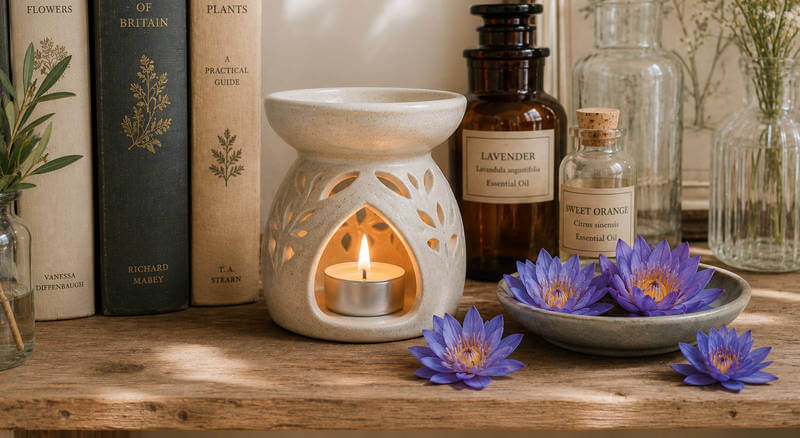
A botanical blending ritual
Natural Musk — A Gentle Composition
A soft, plant-based blend inspired by old ritual ways of working with scent: layering warmth, calm, and floral presence to create a natural skin-like effect.
- Blue Lotus
- 30%
- Chamomile
- 20%
- Rose
- 20%
- Benzoin
- 15%
- Amyris
- 15%
Blue Lotus opens the blend with a soft, atmospheric floral note. Chamomile brings a sense of calm, while Rose adds warmth and fullness. Benzoin and Amyris form a gentle base, allowing the scent to settle and linger naturally.
Flower of the heavens, bring softness.
Blossoms of peace, bring calm.
Petals of love, bring harmony.
Wood and resin, hold the scent close.
Dilute before applying to skin. This is a perfume concentrate idea, not a finished skin-safe formula.
A softer way
Natural perfume does not need to shout
Scent does not need to divide, dominate or overwhelm. At its best, it is something shared — a quiet presence that feels familiar, wherever you are.
Natural perfumery simply approaches softness in its own way: not by recreating musk, but by building warmth, calm and lasting beauty from the character of the plants themselves.
Continue exploring
Build your own botanical base
Explore the oils used in this guide, or continue through Gabriella’s Botanical Library to learn how natural materials vary and behave in real blends.
Browse the Botanical Library