
Gabriella’s Botanical Library
Tonka Bean — smooth, heavy, or somewhere in between
Tonka Bean Absolute is one of the most misunderstood materials in natural perfumery. Some batches are thick and weighty, others are smooth and pourable, and both can be genuine expressions of the same plant.
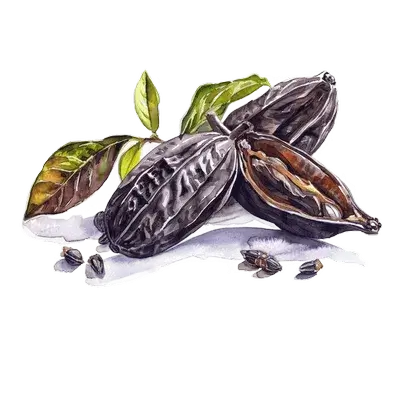
The material
Why Tonka causes so much confusion
Tonka Bean Absolute is often described online as if it should always be thick, dark, and semi-solid. In reality, tonka can vary quite a lot in both texture and scent profile depending on the batch, coumarin level, and how the material has been prepared for use.
Some tonka absolutes are more traditional in texture and feel heavier in a blend. Others, especially those selected for perfumery, are smoother, more fluid, and easier to work with.
A pourable tonka is not automatically diluted, and a thicker tonka is not automatically better. They may simply represent different styles of the same material.
The variations
Smooth perfumery tonka and thicker traditional tonka
Tonka Bean Absolute can sit in different places on the spectrum, from smooth and fluid to thicker and more weighty. Both styles have their place, depending on what you want from the material.
Smooth / Perfumery Grade
More fluid, easier to dose, and often softer in style. Tends to smell sweet, hay-like, warm, and rounded, with a smoother tobacco and coumarin character.
Thicker / Traditional Style
More viscous and heavier in feel, often with a stronger sense of weight in blends. This style may be richer, denser, or more assertive depending on the batch.
The difference is not simply quality. It is often about intended use. A perfumer may prefer a smoother tonka for balance and ease of blending, while another user may prefer a thicker style for richness and presence.
How it behaves
Texture, temperature, and natural variability
Tonka absolute can thicken noticeably in cooler conditions and become more fluid in warmth. This is a normal part of how the material behaves and is influenced by its natural coumarin content.
- Warm indoor temperatures may keep a batch smooth and pourable
- Cooler transport or storage can make the same oil feel thicker
- Some batches crystallise more readily than others
- Texture alone does not tell the whole story of quality
Important: the same tonka may feel different in summer, winter, warm rooms, or after cold transit. This is part of the nature of the material.
How it smells
What Tonka should smell like
At its most recognisable, tonka smells warm, sweet, and gently nostalgic. It often carries notes of hay, almond, caramel, soft tobacco, and coumarin-rich sweetness.
Some styles may lean more airy and hay-like, while others feel deeper, denser, or richer. A spicier style may also exist, but tonka is not the same as clove, even when a warmer batch shares some overlap in impression.
Choosing the right one
Which tonka should I choose?
Choose a smooth perfumery tonka if: you want something elegant, pourable, and easy to blend, with a softer hay-and-tobacco character.
Choose a thicker traditional style if: you want more weight, more texture, and a fuller-bodied presence in your blends.
At Gabriella Oils, tonka is selected by character and usability rather than by one fixed idea of how it should look. Different grades can serve different purposes, and understanding that difference helps you choose better.
Explore further
Shop and related reading
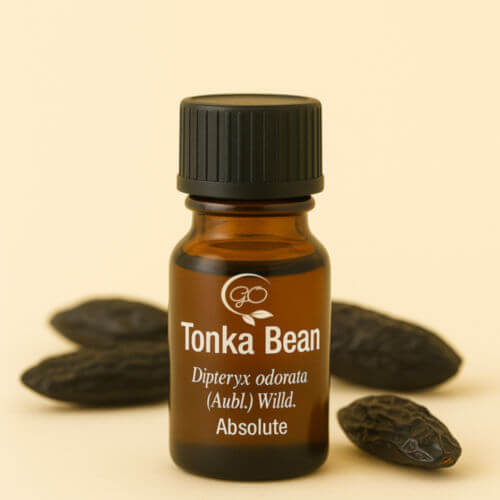
Discover the material itself, or continue exploring the Botanical Library.


Gabriella’s Botanical Library
Natural materials are rarely just one thing
Different grades, textures, plant parts, and processing styles can all change how an oil smells and behaves. This library is here to make those differences easier to understand.
Browse the Botanical Library